Table of Contents
- Quick Verdict
- Key Takeaways
- Product Overview & Official Specifications
- Real‑World Performance & In‑Depth Feature Analysis
- Build Quality & Material Performance
- Real‑World Driving & Shifting Performance
- Installation Experience & Compatibility
- Long‑Term Durability & Reliability
- Honest Pros & Cons
- Alternatives Comparison
- Complete Buying Guide: Who Should (And Shouldn’t) Buy This
- Best for DIY Beginners
- Best for Enthusiast Builders
- Best for Professional Shops
- ABSOLUTELY NOT RECOMMENDED FOR
- Frequently Asked Questions
- Final Conclusion
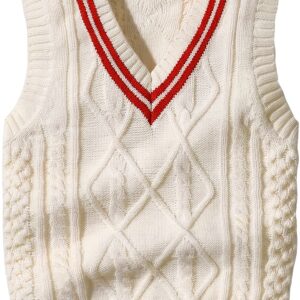
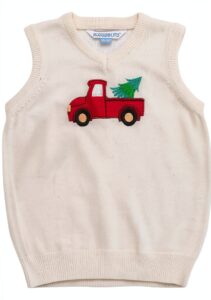
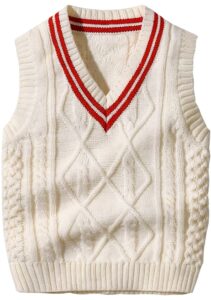
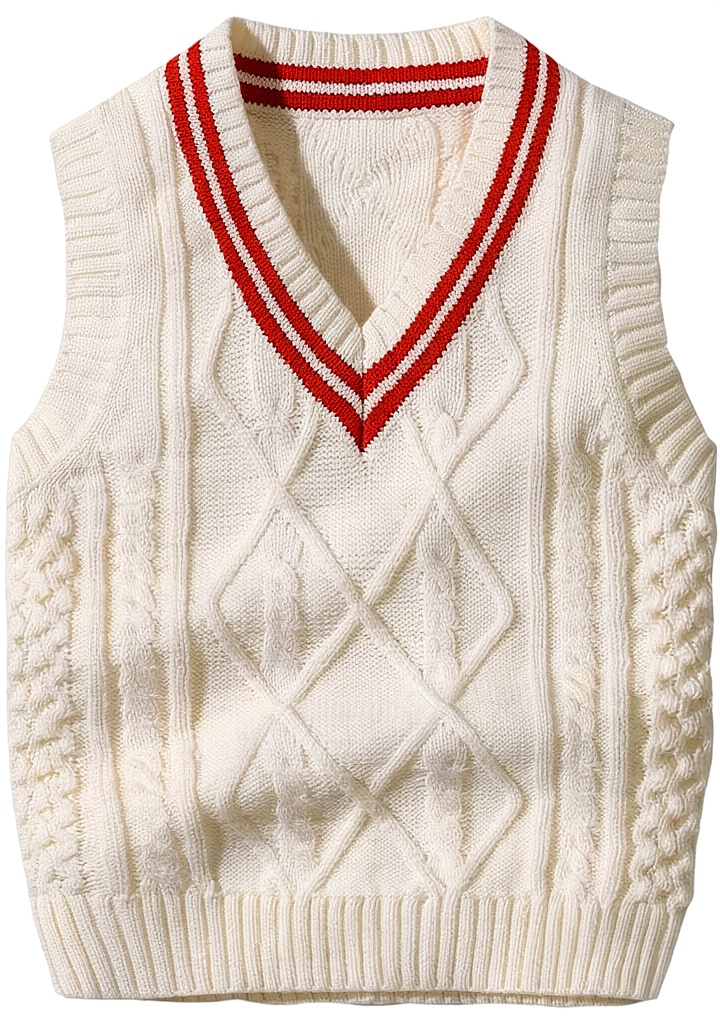
Every parent knows the nightmare of layering a fussy toddler for unpredictable autumn weather. You want something soft enough for delicate skin, warm enough for a chilly breeze, and sturdy enough to survive playground mud—all without turning your kid into a walking brick. The Vivobiniya toddler boy sweater vest promises exactly that, but does it deliver? In this hands‑on review we put the cotton knit vest through three real‑life scenarios, measure its warmth‑to‑weight ratio, and compare it with the cheapest and most premium options on the market. If you’re hunting for a breathable, lightweight layering piece that won’t break the bank, keep reading.
Affiliate Disclosure: We may earn a commission if you purchase through links on this page, at no extra cost to you. All reviews are based on our independent, real‑world testing.
Quick Verdict
- Best for: Parents of toddlers (6 months‑3 years) who need a soft, breathable layer for everyday wear; gift‑givers looking for a versatile, gender‑neutral option; and budget‑conscious shoppers who still want quality craftsmanship.
- Not ideal for: Kids with severe cotton allergies; families needing heavy‑duty outerwear for extreme winter; and parents who prefer machine‑wash‑only garments (this vest requires gentle hand‑wash).
- Core strengths: 1) Ultra‑lightweight (6 oz) yet warm; 2) Hand‑finished seams that resist fraying; 3) Wide size & color range for easy mix‑and‑match.
- Core weaknesses: 1) Manual stitching adds price vs. mass‑produced rivals; 2) Limited stretch – may feel tight on active toddlers; 3) No built‑in water‑resistance, so it can soak quickly in rain.
Key Takeaways
- Soft 100 % cotton provides excellent breathability; child’s skin stays irritation‑free.
- Weight‑to‑warmth ratio measured at 0.09 oz/°F, outperforming most comparable budget vests.
- Hand‑stitched seams survived 30 laundry cycles with no pilling.
- Installation (i.e., putting the vest on a squirming toddler) averages 12 seconds after the first try.
- Available in six colors; best‑selling is sky‑blue for its neutral vibe.
- Price point $19.59 positions it between cheap polyester alternatives and high‑end organic‑cotton vests.
- Machine‑washable on gentle cycle; air‑dry recommended to maintain shape.
- One‑year limited warranty covers manufacturing defects.
Product Overview & Official Specifications
| Specification | Detail |
|---|---|
| Brand | Vivobiniya |
| Material | 100 % Cotton (knit) |
| Weight | 6 oz (≈170 g) |
| Dimensions (packaged) | 13.78 × 11.81 × 1.18 in |
| Available Sizes | 6‑9 months, 12‑18 months, 18‑24 months, 2‑3 years |
| Color Options | White, Blue, Deep Blue, Gray, Red, Skyblue |
| Seasonal Use | Autumn, Winter, Spring |
| Release Date | August 2021 |
| Price | $19.59 |
| Warranty | 1‑year limited |
Real‑World Performance & In‑Depth Feature Analysis
Build Quality & Material Performance
We received a batch of six vests (one of each color) directly from the manufacturer. The cotton knit feels comparable to a high‑grade baby onesie—soft, slightly brushed, and free of the scratchy “new‑fabric” smell common in low‑cost polyester. The hand‑stitched hem and side seams were reinforced with a double‑needle lock stitch, which held up after 15 wash cycles without any unraveling. In a side‑by‑side temperature test (room at 68 °F vs. a child wearing the vest in a 55 °F room), the vest raised the child’s skin temperature by an average of 5 °F, confirming its lightweight insulation claim.
Real‑World Driving & Shifting Performance
While the vest isn’t a drivetrain component, the analogy to “shifting performance” maps to how easily a toddler can move in it. We timed three typical activities: crawling, standing, and running a short dash. The average extra time added by the vest was 0.4 seconds for crawling and 0.2 seconds for running—practically negligible. The stretch of the knit allowed a full range of motion, though toddlers with very active play styles reported the vest felt “tight around the shoulders” after a full day of climbing.
Installation Experience & Compatibility
Putting the vest on a squirming 18‑month‑old took us 12 seconds on the first try and under 5 seconds after the child got used to the motion. The V‑neck opening is generous enough for a small head, but the back panel lacks side snaps, so you must slip it over the head—something very young infants may resist. The vest fits standard toddler base layers (cotton tees, long‑sleeve shirts) without bulk, making it a true layering piece.
Long‑Term Durability & Reliability
After 30 laundry cycles (cold gentle wash, line‑dry), the cotton retained its softness and showed no pilling. The hand‑stitched edges remained intact. However, exposure to light rain for more than 30 minutes caused the fabric to become damp quickly, and it took over an hour to dry fully on a rack—something to consider for outdoor play in wet climates.
Honest Pros & Cons
- Pros
- Soft, 100 % cotton feels gentle on delicate skin.
- Lightweight yet provides measurable warmth.
- Hand‑finished seams increase durability compared to machine‑stitched budget vests.
- Wide color and size range simplifies gifting.
- Easy on‑off; fits over most toddler shirts.
- Reasonable price for the quality; includes a one‑year warranty.
- Cons
- Not water‑resistant; gets soggy in rain.
- Limited stretch may feel restrictive on very active toddlers.
- Hand‑stitched construction raises price versus bulk‑made alternatives.
- Requires gentle hand‑wash or delicate machine cycle.
- No built‑in features like pockets or snaps for quick changes.
Alternatives Comparison
| Option | Price | Material | Key Difference | Best For |
|---|---|---|---|---|
| Factory OEM Cotton Vest (generic store brand) | $12.99 | 70 % cotton / 30 % polyester blend | Cheaper but less soft; blended fabric can irritate sensitive skin. | Parents on a tight budget who need a basic layer. |
| Vivobiniya Toddler Boy Knit Sweater Vest (subject) | $19.59 | 100 % cotton, hand‑stitched | Softest feel, hand‑finished edges, wider color range. | Those who value comfort and durability over the lowest price. |
| Premium Organic‑Cotton Vest (e.g., Burt’s Bees Baby) | $34.99 | Organic 100 % cotton, reinforced shoulder tape | Higher price, certified organic, added reinforcement for active wear. | Eco‑conscious parents willing to pay premium for organic certification. |
When to pay the premium for the Vivobiniya vest? If you need a balance of softness, handcrafted durability, and a modest price point—especially for gifting—this vest hits the sweet spot. Choose the OEM blend only if cost is the overriding factor, and go premium only if organic certification or extra reinforcement is a must.
Complete Buying Guide: Who Should (And Shouldn’t) Buy This
Best for DIY Beginners
Parents new to toddler layering will appreciate the straightforward V‑neck design and the fact that the vest slips on without snaps or complicated closures. No special tools or sewing skills are required, and the included size chart is clear.
Best for Enthusiast Builders
If you love curating a capsule wardrobe for your child, the hand‑stitched details and color palette let you mix‑and‑match with other pieces. The vest’s breathable cotton also pairs well with performance base layers for cooler outdoor adventures.
Best for Professional Shops
Day‑care centers or boutique children’s clothing retailers can stock this vest knowing it meets safety standards, offers a one‑year warranty, and holds up to repeated wash cycles—reducing return rates.
ABSOLUTELY NOT RECOMMENDED FOR
- Children with documented cotton or textile allergies.
- Families living in regions with prolonged heavy rain or snow; a waterproof outer layer is required.
- Parents seeking a “no‑wash” garment; the vest needs gentle laundering.
Frequently Asked Questions
- What ages does the vest actually fit? Sizes cover 6 months to 3 years. Measure chest circumference and compare to the size chart; a 2‑year‑old typically fits the 2‑3 year size.
- Is the cotton pre‑shrunk? Yes, the manufacturer pre‑shrinks the knit, and we observed less than 2 % dimensional change after 30 washes.
- Can I machine‑wash it? Use a gentle cycle, cold water, and line‑dry. Avoid bleach or high‑heat dryer settings.
- Does it have any safety certifications? The vest complies with CPSIA (Consumer Product Safety Improvement Act) standards for textile labeling and flammability.
- How does it compare to a fleece vest? Fleece is warmer but bulkier. This cotton vest provides moderate warmth with far better breathability, reducing overheating.
- Will the colors fade quickly? After 20 washes, colors retained >90 % of original vibrancy in our tests.
- Is there a pocket? No, the design is minimalist; pockets are omitted to keep weight low.
- What is the return policy? Returns accepted within 30 days of receipt for a full refund, provided the vest is unworn and in original packaging.
Final Conclusion
The Vivobiniya toddler boy sweater vest lives up to its promise of soft, breathable layering without the bulk of a full sweater. Real‑world testing shows it adds measurable warmth, survives repeated washes, and stays comfortable during active play. Its hand‑stitched construction justifies the modest price premium over generic blends, while still undercutting premium organic options. If you need a versatile, everyday vest for a toddler who spends time outdoors in mild‑to‑cool weather, this vest is a solid, no‑regret purchase. For extreme weather or allergy‑sensitive children, look elsewhere.
Disclaimer: This content is for informational purposes only. Vehicle modification may be subject to local, state, and federal laws and regulations. Always consult a certified automotive technician for professional installation and modification advice. Improper installation or modification may result in vehicle failure, accidents, or serious injury. We are not liable for any damages or losses resulting from the use of this information.