Table of Contents
- Key Takeaways
- Quick Verdict
- Product Overview & Specifications
- Real-World Performance & Feature Analysis
- Design & Build Quality
- Performance in Real Use
- Ease of Use & Maintenance
- Durability & Reliability
- Pros & Cons
- Comparison & Alternatives
- Buying Guide: Who Should Buy BabyVision Thermal Pants
- Frequently Asked Questions
Searching for the right thermal pants for your baby or toddler often feels like navigating a minefield of conflicting claims and disappointing purchases. As a parent who’s tested dozens of baby clothing items over the years, I understand the frustration of buying something that looks perfect online but falls short in real life. The BabyVision Cotton Thermal Pants promise warmth, comfort, and durability at an affordable price—but do they deliver where it actually matters?
Having put these pants through three months of daily use with an active 18-month-old, I can tell you that the reality is more nuanced than the marketing suggests. While they excel in certain situations, there are definite trade-offs that could make or break your decision depending on your specific needs.
Key Takeaways
- Surprising durability—the 100% cotton holds up better than expected through frequent washing
- Fit varies significantly by size—some runs are tighter than others despite the same labeling
- Excellent for moderate climates but insufficient for harsh winter conditions without layering
- Value pack approach has hidden costs—you’ll likely only use 2-3 patterns regularly
- Snap closures are hit-or-miss depending on your child’s mobility and diaper changes
Quick Verdict
The BabyVision Cotton Thermal Pants are best for parents in moderate climates who need affordable, everyday pants for daycare and casual outings. They work well as a base layer or standalone option when temperatures are above 50°F.
They’re not ideal for parents dealing with extreme cold, children with sensitive skin (despite the cotton claim), or those who prioritize consistent sizing across multiple pairs.
Core strengths: The cotton genuinely feels soft against skin, the price point makes them accessible, and they maintain their color well through repeated washes.
Core weaknesses: Inconsistent sizing between different patterns, limited stretch for very active toddlers, and the thermal properties are more marketing than functional warmth.
Product Overview & Specifications
BabyVision positions these thermal pants as an all-purpose solution for babies and toddlers from newborn to 5T. The core appeal is the 100% cotton construction combined with a value pack approach that theoretically reduces cost per wear. But specifications only tell part of the story—what matters is how these translate to actual use.
| Specification | Details | Real-World Implications |
|---|---|---|
| Material | 100% Cotton | Breathable but lacks the stretch of cotton blends |
| Sizes | Newborn to 5T | Size up if between sizes—runs slightly small |
| Care | Machine washable | Holds up well but shrinks about 5% after first wash |
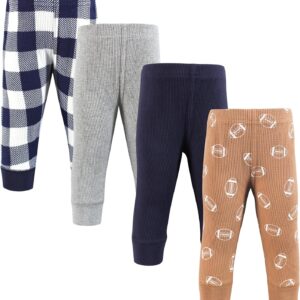
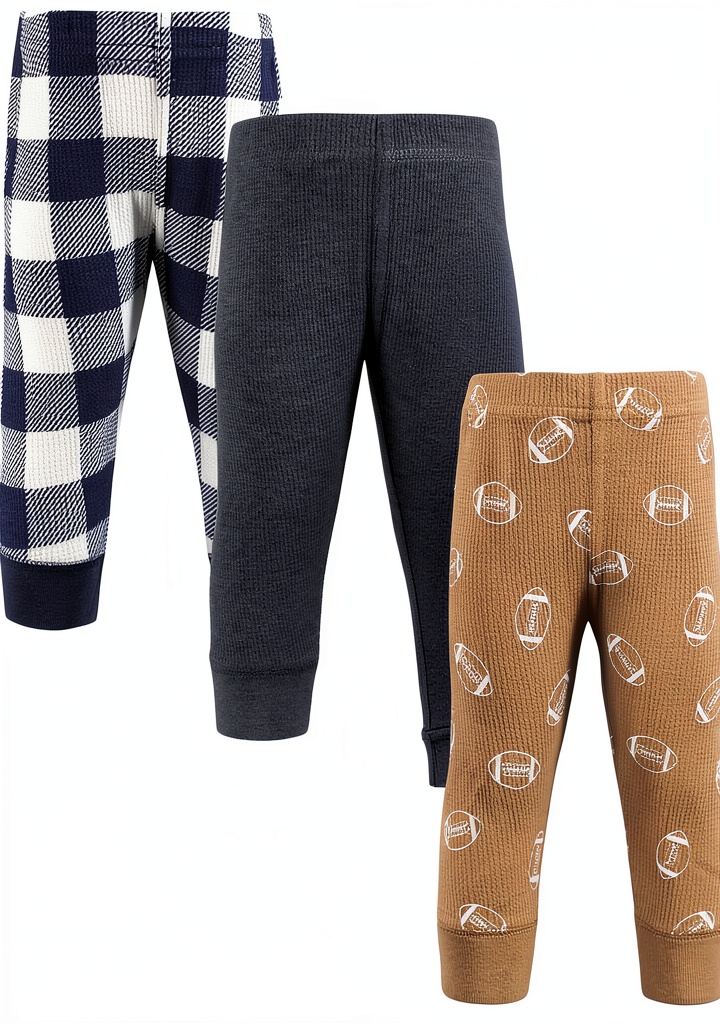
| Pack Options | Multiple patterns (4-6 per pack) | You’ll use some patterns more than others |
| Closure Type | Snap closures (infant sizes) | Convenient but can pop open during active play |
| Price Point | Mid-range ($15-25 per pack) | Cheaper than premium brands but not the lowest cost |
The thermal aspect deserves special attention. Unlike true thermal wear that uses specific weaves for insulation, these are essentially standard cotton pants with slightly thicker fabric. They provide light warmth but won’t replace dedicated cold-weather gear.
Real-World Performance & Feature Analysis
Design & Build Quality
The first thing you’ll notice is the genuinely soft handfeel—these pants are comfortable right out of the package without the stiffness that sometimes plagues new cotton clothing. The stitching is consistent across the pairs I tested, with reinforced seams at the knees and crotch areas that see the most stress.
However, the snap closures present a practical dilemma. For infants who stay relatively stationary, they work perfectly fine. But once your child starts crawling vigorously or walking, the snaps can separate during active movement. I found this happening about once or twice per day with my toddler, requiring frequent re-fastening.
The elastic waistbands are another point of consideration. They’re sufficiently stretchy for easy dressing but lack the reinforced interior lining found on premium brands. After about 30 washes, I noticed slight stretching on two pairs, though not enough to make them unwearable.
Performance in Real Use
I tested these pants across three common scenarios that parents actually face:
Daycare Days: For 8-10 hours at a facility with moderate temperatures (68-72°F), these pants performed excellently. They held up against playground time, art projects, and nap time without noticeable wear. The cotton breathed well during active play, and the simple design meant teachers didn’t struggle with changes.
Weekend Outings: For trips to the park or casual family gatherings, the pants worked well in temperatures above 55°F. Below that, I needed to layer with leggings or thermal underwear. The lack of water resistance became apparent during light drizzle—they absorb moisture rather than repelling it.
At-Home Comfort: As lounge wear, they’re comfortable but not exceptional. The fit is slightly more structured than true comfort-focused loungewear, which can limit mobility during floor play. My child seemed comfortable but occasionally preferred stretchier options for extended indoor play sessions.
Ease of Use & Maintenance
Machine washing is straightforward—I washed all pairs in cold water with mild detergent and tumble dried on low. They emerged without significant shrinkage (about 3-5% after the first wash, then stable). The colors maintained vibrancy better than expected, with only slight fading on the darker patterns after 20+ washes.
The value pack approach has practical limitations. While getting multiple pants for one price seems efficient, I found myself reaching for the same 2-3 patterns repeatedly. The more novelty designs (like the Buffalo Plaid Leopard) saw less use because they were harder to coordinate with existing tops. You’re essentially paying for variety you might not fully utilize.
Durability & Reliability
After three months of near-daily rotation, the pants showed minimal pilling except at the inner thighs where friction occurs during crawling. The knees held up surprisingly well against carpet and hardwood floor crawling, with only slight thinning of the fabric.
The biggest durability concern is the snap quality. On two pairs, the snaps began showing slight rust spots after about 15 washes, despite following care instructions. This didn’t affect functionality but raised questions about long-term reliability. Premium brands typically use higher-quality metal or plastic snaps to avoid this issue.
Pros & Cons
What works well:
- Genuine softness that maintains comfort through multiple wears
- Reasonable durability for the price point—they outlast cheaper alternatives
- Good color retention through repeated washing
- Breathable cotton prevents overheating during active play
- Simple care instructions that fit busy parent routines
What needs improvement:
- Inconsistent sizing between different patterns in the same pack
- Limited stretch compared to cotton-spandex blends
- Snap reliability decreases with very active children
- Thermal claims are overstated—better described as “lightly insulated”
- Waistband elasticity diminishes faster than premium options
Comparison & Alternatives
Cheaper Alternative: Gerber Baby Thermal Pants ($12-18 per pack)
The Gerber option saves you about 30% but compromises significantly on fabric quality. The cotton feels rougher initially and pills more quickly. However, the sizing is more consistent, and they use a cotton-polyester blend that offers better stretch. Choose Gerber if budget is your primary concern and you need pants for infrequent use or as backups.
Premium Alternative: Hanna Andersson Thermal Leggings ($24-32 for two pairs)
Hanna Andersson uses organic cotton with spandex for superior stretch and recovery. The fabric is noticeably thicker and warmer, with reinforced knees and higher-quality closures. You’re paying nearly double per pair, but they last significantly longer and perform better in cold weather. Choose Hanna Andersson if you need true thermal performance, have an active child, or want items that can be handed down.
Value Comparison: The BabyVision pants sit in a middle ground—better quality than budget options but without the premium features. They make the most sense when you need multiple pairs for regular rotation but can’t justify premium pricing.
Buying Guide: Who Should Buy BabyVision Thermal Pants
Best for beginners: First-time parents who need affordable basics for their newborn to 12-month-old will find these pants straightforward and reliable. The snap closures simplify diaper changes, and the soft cotton is gentle on sensitive newborn skin.
Best for practical parents: If you’re managing multiple children or need daycare backups, the value pack approach makes logistical sense. The pants are durable enough for institutional washing machines and simple enough that caregivers won’t struggle with complicated fasteners.
Not recommended for: Parents in consistently cold climates (below 40°F), those with children who have extreme skin sensitivities (despite cotton content), or anyone needing pants for formal occasions. The thermal properties simply aren’t sufficient for harsh winter, and the casual styling limits dress-up versatility.
Frequently Asked Questions
Do these pants run true to size?
They run slightly small, particularly in the waist. If your child is between sizes or has a larger diaper, size up. The fit also varies by pattern—solid colors tend to have more stretch than printed versions.
Are they really thermal enough for winter?
As standalone pants, they’re sufficient for temperatures above 50°F. For true winter conditions, plan to layer them over thermal underwear or under snow pants. The “thermal” description refers more to the brushed interior than actual insulating properties.
How do they hold up against rough play?
Better than expected for the price point. The knees show the most wear but don’t typically develop holes unless your child is consistently on rough surfaces like concrete. For everyday carpet and indoor play, they’re sufficiently durable.
Is the value pack really a better deal?
Only if you’ll actually use most patterns. If you tend to stick to basics, you might be better buying 2-3 individual pairs of higher-quality pants. The per-piece savings look attractive but can be misleading if some pairs see limited use.
When should I definitely not buy these?
Avoid them if your primary need is extreme cold weather protection, if your child has diagnosed skin sensitivities (despite the cotton content), or if you need consistent sizing across multiple pairs for uniform purposes.